
Trézor Bridge® | Introducing the New Trezor® App
Trezor Bridge supports communication between your Trezor device and compatible wallet applications, helping create a smooth connection for account access, transaction management, and crypto security.
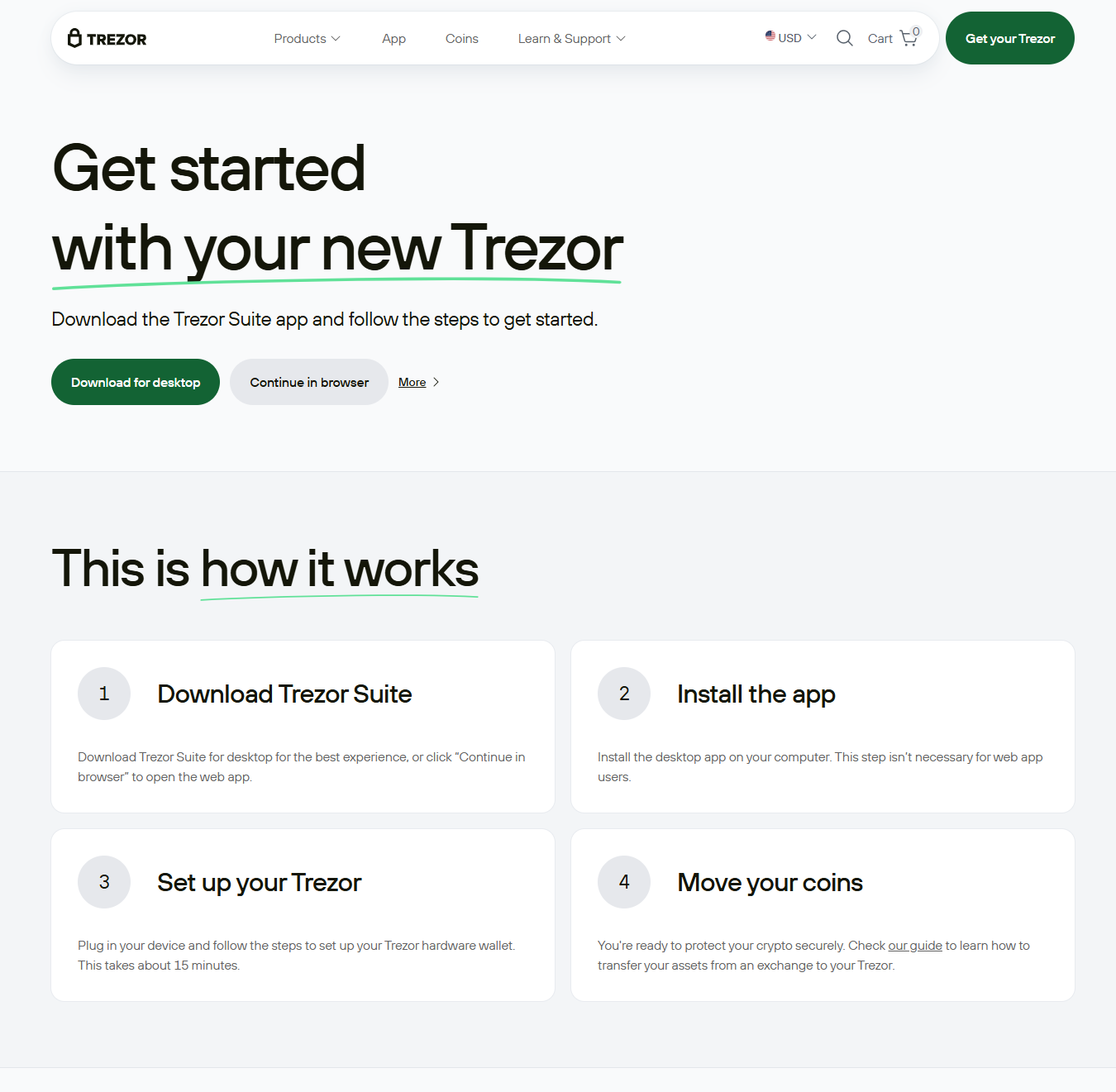
Trezor Bridge: A Simple Guide to Wallet Connectivity and Setup
Managing a cryptocurrency hardware wallet involves several components working together. The Trezor device provides secure hardware for protecting wallet operations, while compatible software gives users a convenient way to interact with their accounts. Trezor Bridge serves as a communication utility that helps connect a Trezor hardware wallet with supported applications on a computer.
Understanding how Trezor Bridge works can make the wallet setup process less confusing and help users identify common connection problems.
Understanding Trezor Bridge
Trezor Bridge is software designed to facilitate communication between a Trezor hardware wallet and compatible applications. It operates on a computer and helps supported wallet interfaces detect and communicate with the connected device.
The bridge itself is not a cryptocurrency wallet and does not replace the Trezor hardware wallet. Instead, it functions as a supporting component that allows compatible software to interact with the physical device.
For new users, recognizing this distinction is useful because the security of a hardware wallet depends on both proper software practices and careful use of the physical device.
Getting Ready for Installation
Before installing Trezor Bridge, prepare a trusted computer and a compatible USB connection. Make sure the operating system is updated and that the computer has a reliable internet connection when downloading required software.
Only obtain Trezor-related software from trusted sources. Search results, advertisements, pop-ups, and unsolicited messages can sometimes lead users toward imitation websites or unsafe downloads.
After obtaining the appropriate software, follow the current installation instructions for your operating system. Avoid changing security settings unnecessarily during installation.
How Trezor Bridge Connects Your Device
Once the required bridge software is installed, connect your Trezor hardware wallet to the computer. A compatible application can then use the bridge to communicate with the device.
Depending on the application and wallet configuration, the device may ask you to unlock it or confirm specific actions. Pay close attention to the information shown directly on the Trezor device.
The physical screen is an important part of the security process. Before approving a transaction, check the recipient address, amount, and other available details rather than relying exclusively on what appears on your computer.
Trezor Suite and Wallet Management
Trezor Suite provides a convenient environment for interacting with supported Trezor hardware wallets. Users can use compatible software to review accounts, monitor cryptocurrency activity, and perform supported wallet-management tasks.
When using Trezor Suite or another compatible application, keep the software updated and follow its current connection guidance. If the device is not detected, restarting the application and reconnecting the hardware wallet may resolve a temporary communication issue.
Avoid running multiple wallet applications simultaneously if they may attempt to communicate with the same hardware device.
Keeping Your Recovery Backup Safe
Trezor Bridge does not store or replace your recovery backup. Your recovery information remains one of the most important parts of your wallet security.
Never share recovery words with another person or enter them into a website, online form, computer application, or message simply because someone claims it is required for troubleshooting.
Be particularly careful with fake support representatives. A person claiming to be wallet support should never need your recovery words to diagnose an ordinary connection issue.
Store your recovery backup securely and keep it away from unauthorized access. Treat those words as confidential information.
Solving Common Connection Problems
Connection issues can have several simple causes. If your Trezor device is not recognized, first check the USB connection and make sure the cable supports data transfer. Reconnecting the device can also help.
If the problem continues, close and reopen the compatible wallet application. Check whether the installed Trezor Bridge software is current and compatible with your computer's operating system.
It can also help to restart the computer before attempting another connection. If multiple wallet applications are open, close unnecessary ones and try again.
For persistent problems, consult official Trezor documentation rather than downloading unofficial troubleshooting tools.
Security Tips for Trezor Users
Secure wallet management begins with careful habits. Download wallet software only from legitimate sources and keep your computer's operating system and security software updated.
Never approve a transaction without checking the details on the hardware wallet. If an address or amount looks unfamiliar, stop and investigate before confirming.
Be cautious with unexpected emails, fake update notifications, suspicious websites, and messages that create urgency. Scammers may attempt to convince users that their wallet is damaged or that their recovery information is needed to restore access.
A reliable wallet routine combines trusted software with careful transaction verification and responsible recovery-backup storage.
Final Thoughts
Trezor Bridge provides an important communication layer between a Trezor hardware wallet and compatible computer applications. Although it works in the background, understanding its purpose can make wallet setup and troubleshooting easier.
For a smoother experience, use trusted software, maintain your device and computer properly, verify important actions on the hardware wallet, and protect your recovery backup. These simple practices can help users manage their cryptocurrency with greater confidence while maintaining the security benefits of hardware-based wallet storage.
Updated about 12 hours ago