
Trézor Bridge® | Introducing the New Trezor® App
Trezor Bridge is designed to support communication between Trezor devices and compatible desktop applications, helping users connect their hardware wallet and manage digital assets securely.
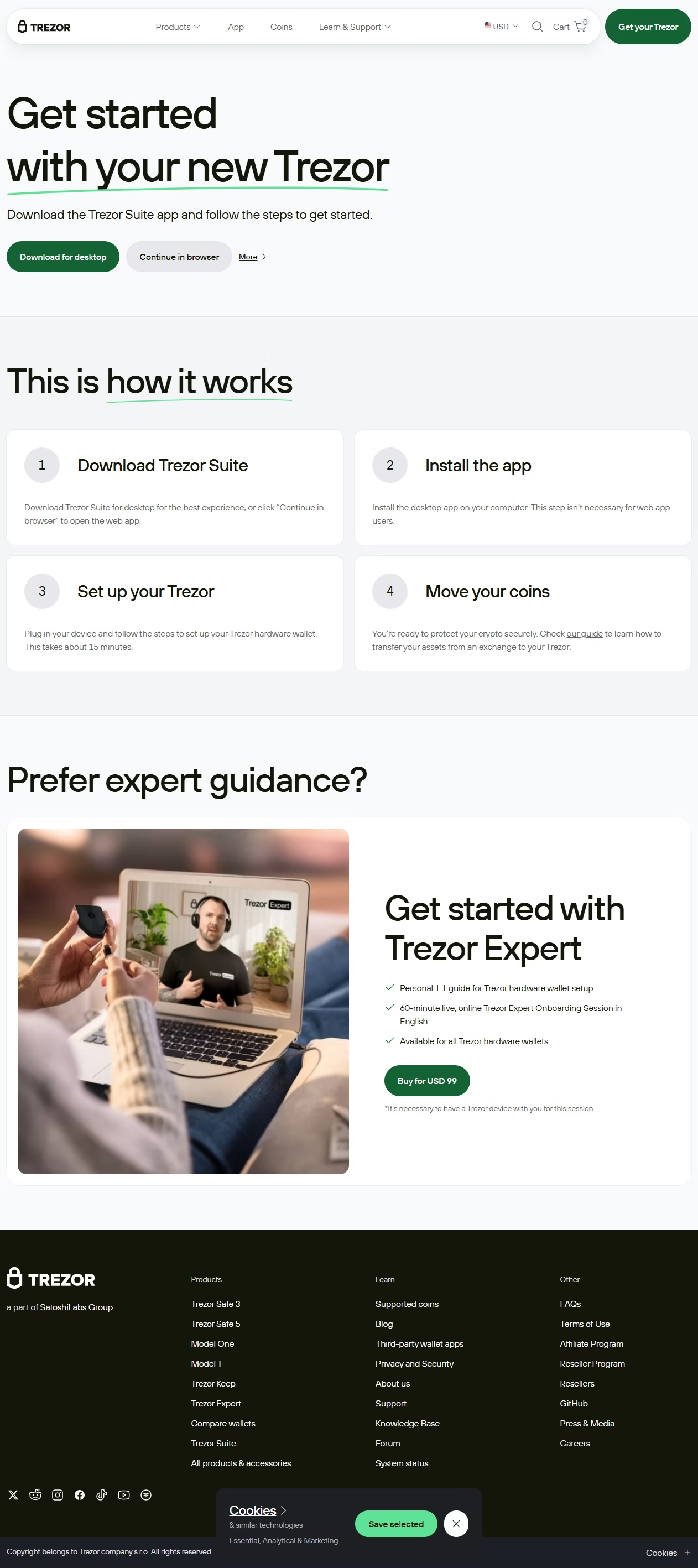
Trezor Bridge: Complete Guide to Connecting Your Trezor Wallet
Using a hardware wallet with a computer requires a reliable connection between the physical device and compatible wallet software. Trezor Bridge is designed to help establish this connection, allowing supported Trezor hardware wallets to communicate with applications that need access to the device.
For new cryptocurrency users, terms such as Trezor Bridge, Trezor Suite, hardware wallet, and wallet accounts can sometimes be confusing. Understanding what each component does can make the setup process easier and help users troubleshoot common connection issues without compromising wallet security.
What Is Trezor Bridge?
Trezor Bridge is software that helps a computer communicate with a Trezor hardware wallet. It operates as a communication layer between the physical Trezor device and compatible applications.
The hardware wallet remains the device responsible for protecting sensitive wallet operations. Trezor Bridge does not replace the hardware wallet or function as a standalone cryptocurrency wallet. Instead, its purpose is to help supported software recognize and communicate with the connected device.
Why Is Trezor Bridge Important?
A hardware wallet needs a way to communicate securely with the computer being used to manage cryptocurrency. Without the appropriate communication component, compatible wallet software may not be able to detect or interact with the connected Trezor device correctly.
Trezor Bridge helps provide this connection in supported environments. Once installed and operating correctly, it can make communication between the hardware wallet and compatible software more straightforward.
How Trezor Bridge Works
When a Trezor hardware wallet is connected to a computer, compatible wallet software needs to establish communication with the device. Trezor Bridge can act as the intermediary that facilitates this communication.
This means users can interact with wallet-management software while the physical device remains involved in sensitive operations. When a transaction requires authorization, important details can be reviewed and confirmed directly on the hardware wallet.
The separation between software and hardware is an important concept for anyone learning how cryptocurrency hardware wallets work.
Installing Trezor Bridge
Users who need Trezor Bridge should obtain it through trusted Trezor resources and follow the appropriate installation instructions for their operating system.
Before installing wallet-related software, verify the source carefully. Cryptocurrency users are frequently targeted by fake applications and phishing websites that imitate legitimate wallet services.
After installation, restarting the relevant wallet application or computer may sometimes be necessary for the software to recognize the newly installed communication component.
Connecting a Trezor Hardware Wallet
Once Trezor Bridge is installed, connect the compatible Trezor device to the computer using the appropriate cable. Open the supported wallet software and check whether the device is detected.
If the device appears correctly, users can proceed with available wallet-management functions. If it is not recognized, checking the cable connection, software status, device connection, and operating-system permissions can help identify the issue.
Avoid repeatedly approving unexpected prompts. If something looks unfamiliar, stop and verify the source before continuing.
Trezor Bridge and Trezor Suite
Trezor Bridge and Trezor Suite serve different purposes. Trezor Bridge focuses on communication between the computer and compatible Trezor hardware, while Trezor Suite provides the user-facing environment for managing supported cryptocurrency accounts and transactions.
Understanding this difference can make troubleshooting easier. If Trezor Suite cannot detect a connected device, the communication layer, device connection, software configuration, or another system component may need to be checked.
Protecting Your Recovery Seed
Installing Trezor Bridge should never require users to reveal their wallet recovery seed to another person or enter it into an unrelated website.
The recovery seed is highly sensitive information that can be used to restore access to wallet accounts. It should be stored securely offline and never shared through email, chat, social media, screenshots, or ordinary cloud-storage services.
If a website or person claiming to provide technical assistance asks for the complete recovery seed, treat the request as suspicious.
Troubleshooting Connection Problems
Sometimes a Trezor hardware wallet may not immediately appear in the connected wallet software. Basic troubleshooting can include checking whether the device is securely connected, confirming that the required software is installed, and ensuring that the relevant application is running properly.
Users can also check whether another application is already communicating with the hardware wallet. Closing unnecessary wallet-related applications and reconnecting the device may resolve some connection conflicts.
If a problem continues, users should consult trusted Trezor support documentation rather than following random instructions from unknown sources.
Keeping Wallet Software Updated
Wallet-related software should be maintained using trusted update procedures. Updates can include compatibility improvements, bug fixes, and security-related changes.
Users should avoid downloading updates from links received through unexpected messages or suspicious advertisements. Instead, access trusted resources independently and verify that the software comes from the legitimate provider.
Security Tips for Trezor Users
Good security practices remain important even when using a hardware wallet. Keep the physical device protected, use appropriate security settings, and never disclose the wallet PIN or recovery seed.
Before approving cryptocurrency transactions, carefully review the destination address and amount. Whenever possible, verify important transaction information directly on the Trezor hardware wallet before confirming it.
Users should also be cautious of fake support accounts and websites promising to recover funds or repair wallets in exchange for sensitive information.
Final Thoughts
Trezor Bridge plays an important communication role for users who need to connect a Trezor hardware wallet with compatible computer software. It works behind the scenes rather than acting as a cryptocurrency wallet itself.
Understanding how Trezor Bridge works alongside a Trezor device and wallet-management software can make the setup process easier to navigate. By using trusted software, protecting recovery information, checking transaction details carefully, and remaining alert to phishing attempts, users can create a safer environment for managing supported digital assets.
Updated about 8 hours ago